


For years, sports marketers relied on intuition and broad demographics to guide fan outreach. Campaigns were often one-size-fits-all, built on assumptions about what fans might enjoy. But in today’s data-rich world, guessing is no longer good enough. Fans have more choices and higher expectations: they respond best to content and offers tailored to their actual interests and behaviors.
Relying on generic segments (“males 18-34” or “season ticket holders”) misses the mark, because even within those groups individual preferences vary wildly. It’s time to move from guessing to knowing each fan. That shift is possible by leveraging real-time signals: the live behavioral data points that reveal what each fan truly cares about.
Modern fans demand relevance. They’re used to personalized recommendations on streaming platforms and retail sites, and they now expect the same level of personalization from sports brands. If a team still blasts out the same highlight clip or merchandise offer to millions of people without differentiation, many fans will tune out. Studies show younger generations increasingly consume sports on their terms – for example, many prefer curated highlights over watching full games.
This means teams must cater to specific interests to keep these fans engaged. In short, without rich data, delivering content is essentially guesswork, and guesswork isn’t a winning strategy in 2025’s competitive attention economy.
Real-Time Fan Signals: From Behavior to Insight
What exactly are “real-time signals,” and how can they transform fan experiences? Real-time signals are the live behavioral cues fans give off as they interact with your content and services. These go far beyond static profile data in a CRM. Some examples include:
-Content consumption: which videos a fan watches – and how they watch them. Did they view a highlight reel to the end, rewatch a favorite play, or skip a certain clip?
-App and web activity: how fans use your digital platforms. Are they engaging with interactive stats on the app? Browsing certain articles on the website?
-Ticketing and attendance: real-time ticket scans at the arena or stadium can trigger personalized content.
-Merchandise and purchase behavior: what items a fan is buying (or even adding to cart and abandoning) indicates their affinities.
-Surveys and feedback: when fans respond to polls or surveys, they’re explicitly telling you their preferences.
-Social and community interactions: Fans’ engagements on your social media or community forums – likes, shares, comments – are additional signals that can be fed into your personalization engine.
What makes these signals powerful is their immediacy and specificity. If a fan just watched a highlight of a star striker’s goal, that’s an actionable insight right now — far more useful than knowing, for example, that their age is 27 or that they live in Boston.
By capturing dozens of these micro-behaviors across content, apps, ticketing, and commerce, sports organizations can assemble a living, breathing profile for each fan. Every interaction adds another piece to the puzzle. Every highlight watched or skipped, every app click, every purchase – they all become inputs to an evolving fan identity graph that tells you what truly makes that fan tick.
From Signals to Personalization at Scale
Collecting data is only the first step. The real magic lies in transforming those raw signals into personalized experiences. This happens through a few key practices:
-Interest Tagging: as fans’ behaviors roll in, the system tags each fan with specific interests.
-Dynamic Fan Segments & Personas: with interest tags and behavioral data, you can create dynamic segments or personas that update in real time.
-Personalized Content Journeys: with real-time signals informing tags and segments, sports organizations can design lifecycle journeys that adapt to each fan.
Implementing this at scale requires integrating those real-time signals into your marketing technology. It means your data from apps, websites, ticketing, merchandise, etc. shouldn’t live in silos. Unify silos with a CDP/CRM – feed all these data streams into one customer data platform or CRM system that becomes a single source of truth on each fan.
By moving to this data-driven model, teams stop marketing at fans and start conversing with fans. Every interaction updates the profile, and every profile update can trigger more tailored interactions. This creates a powerful feedback loop: personalization leads to engagement, which yields new data, which fuels even better personalization.
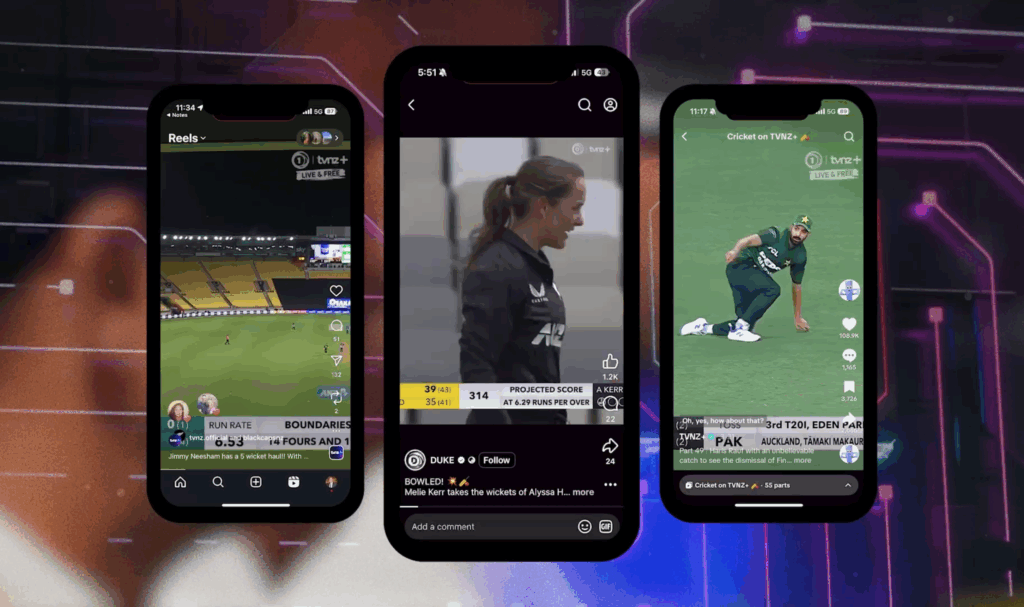
Personalization in Action: Use Cases Across the Fan Journey
To make this concrete, let’s walk through a few high-impact use cases where real-time signals power personalized fan experiences:
-Post-Game Personalized Highlights: instead of generic highlight emails, fans get recaps centered on their favorite players or moments.
-Weekly Digest with Relevant Offers: content plus merchandise or sponsor offers tailored to demonstrated interests.
-Birthday and Milestone Journeys: personalized video greetings tied to a fan’s favorite players or historical moments.
-Re-Engagement Campaigns for Lapsed Fans: triggered by inactivity, but personalized to what the fan historically loved.
These are just a few scenarios. The possibilities are endless once you have real-time fan insights. From pre-game hype messages to personalized in-venue experiences, everything becomes customizable. The fan’s actions dictate the next best experience, rather than marketers pushing out the same journey to everyone.
How WSC Sports Enables Personalization at Scale
Executing this vision might sound complex; and in the past, it was. Many organizations lacked the tools to capture granular content preferences or to produce enough variations of content to truly personalize. This is where WSC Sports comes in.
WSC Sports’ AI-driven platform automatically generates personalized sports videos for every digital platform and every fan, in real time. It’s essentially a personalization engine for sports content, and it works in several important ways:
- Rich Metadata Tagging
- On-Demand Content Generation
- Integration with CDPs/CRMs
- Content Library for Every Use Case
All of this leads to a profound change in how sports organizations engage their audience. The approach shifts from “we think this is what our fans want” to “we know what each fan wants right now” because the data and the content engine are finally in sync.
And it’s not just about engagement metrics – it’s also a monetization play. More engaged fans are more likely to purchase merchandise, renew season tickets, and attract sponsors. Every personalized video view is not just content delivered, but an opportunity – to learn more about the fan, to delight them, and to eventually monetize that engagement in a fan-friendly way.
Conclusion: Delivering What Fans Want – No Guesswork Required
Sports fandom is deeply personal. It’s about passion for players, teams, and moments that resonate on an individual level. It’s time for sports organizations’ engagement strategies to reflect that personal nature.
Moving from guessing to knowing means embracing real-time data and the tools that make sense of it. The payoff is not only in better metrics, but in stronger fan relationships. When a fan feels like a team “just gets” them – always serving up the highlights they crave, reaching out at the right moments, remembering their milestones – that fan is likely to stick around for life.
The technology to do this, once out of reach, is here today. Forward-thinking teams have already shown that personalized fan experiences driven by real-time signals lead to dramatic boosts in engagement. The days of batch-and-blast content are numbered. In their place, we have custom highlight reels, tailored offers, and timely touches that make each fan feel like the team is speaking directly to them.
It’s a win-win: fans get more enjoyment, and teams see more loyalty and value. Ready to stop the guesswork? By leveraging real-time signals and AI automation, you can turn heaps of data into meaningful fan moments at scale.