

Key Takeaways:
- Lasting sports fandom depends on giving audiences multiple reasons to stay invested, rather than relying on individual stars, live events, or viral moments.
- Showcasing rivalries, personalities, strategy, and behind-the-scenes stories helps rights holders deepen fan connections and sustain engagement between events.
- AI-powered content creation enables sports organizations to scale varied storytelling, turning live footage into multi-format content that builds deeper fandom across channels.
Despite a relatively drama-free title race, Formula 1 is having a season for the ages.
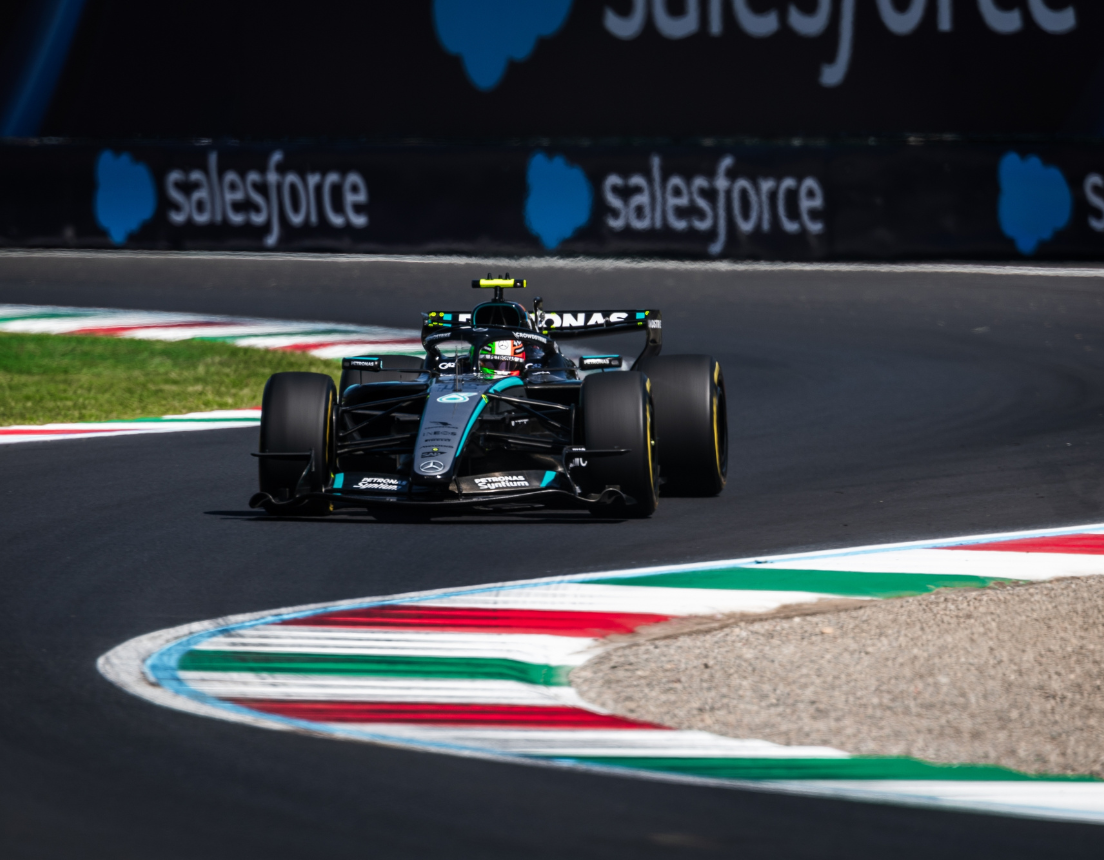
The emergence of Kimi Antonelli, the Italian 20-year-old who leads the drivers’ standings, certainly helped. The Mercedes driver has been hailed as a generational talent, drawing comparisons to legends like Ayrton Senna, Michael Schumacher, and Lewis Hamilton. Antonelli’s dominance has been so complete that Hamilton and George Russell – third and second in the standings, respectively – conceded the title in mid-September.
But even before Antonelli stormed from 19th on the grid to take a sensational home win in the Italian Grand Prix, the 2026 campaign was already posting standout numbers.
According to an F1 report published at the midpoint of the season, the first 11 events were sold out, with nearly 3.7 million people attending race weekends, an increase of +6% year-over-year. And the upward trend extended to TV viewership and digital engagement:
- In Brazil, total TV viewership has grown significantly year-on-year, with race weekends delivering audiences up to five times larger than in 2025.
- In Italy, TV audiences were up 27% through the British Grand Prix (the ninth race of the season) compared to 2025.
- The Monaco Grand Prix reached nearly 80 million viewers globally, up double digits versus 2025.
- At the summer break, F1 had more than 126 million followers across social media, an increase of +17% YoY.
- +54% year-over-year increase in video views, driven by strong TikTok engagement.
- +7 million hours of viewing time spent on expanded video content across F1.com and F1 app.
From Growth to Loyalty
These numbers should come as no surprise to anyone who follows motorsport. Under owner Liberty Media, which took over in 2017, F1’s global fanbase has steadily grown; more than 830 million people currently follow the sport, per the racing series, an increase of +64% compared to 2018.
But attracting new fans, say industry experts, is one thing. Retaining them is another.
“A lot of newer fans have come into the sport through a driver, a clip, or a documentary. That means loyalty can be more mobile than it used to be,” explained Andrew Coates, growth executive at marketing agency Engage Digital Partners. “If the driver moves, some of the audience may move with them. If the racing becomes dull, people who arrived through personality and entertainment have plenty of other places to spend two hours on a Sunday.”
Recognizing this, F1 has focused on giving audiences more reasons to form a deep relationship with the brand. A recent study by market research agency The Harris Poll UK revealed that:
- Racing remains the biggest reason people follow the sport, keeping 57% engaged, with race strategy and tactics following at 38%.
- 37% of F1 fans are drawn in by the rivalries between drivers and teams.
- 33% are attracted to the drama and controversy surrounding the sport.
- 25% are lured by the personalities of the drivers.
What Keeps Fans Invested
“That’s a significant evolution in what fandom looks like,” said Sarah Beams, managing director at The Harris Poll UK. “Fans aren’t simply following 22 drivers competing on a Sunday afternoon. They’re following teams, engineers, strategists, team principals and rivalries that develop across an entire season. That matters because the more widely attachment is spread across the sport, the less dependent Formula 1 becomes on any one driver to sustain it.”
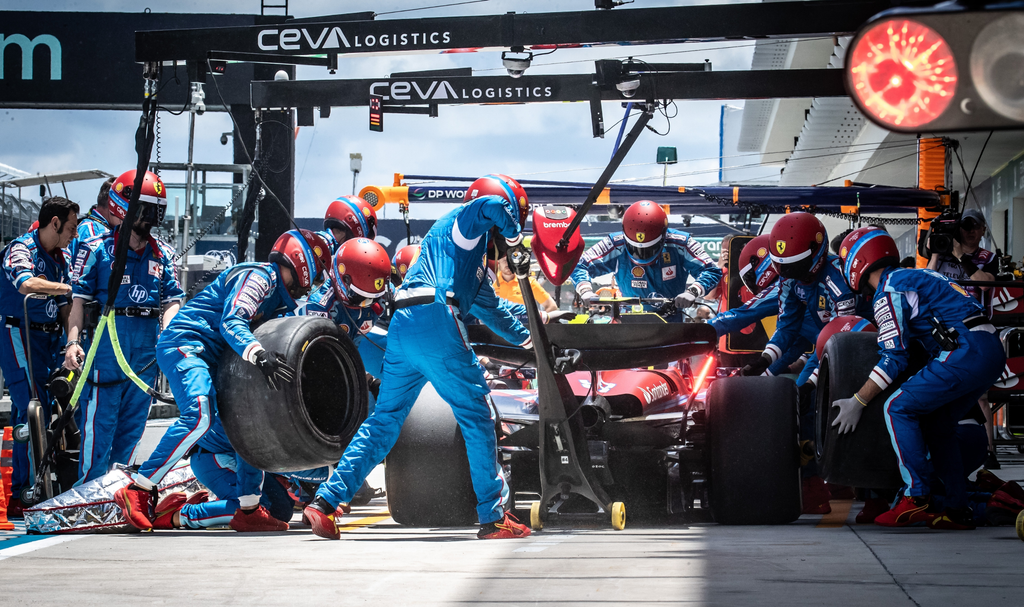
The Harris Poll study shows that Formula 1 has been successful in creating a more resilient form of fandom. This resilience is reflected not only in the motives behind the fandom, but also in the myriad of ways they engage with the sport:
- 60% of F1 fans watch races live, but 39% say they don’t need to watch every race to feel involved in the sport.
- 57% watch highlights of races and qualifying sessions.
- 33% consume Formula 1 clips on social media
- 20% play F1 games or simulations; among 18 to 24-year-olds, that number rises to 35%.
“F1 has become much better at giving people more ways into the sport and more reasons to stay once you’re there,” concluded Beams. “Racing, engineering, strategy, personalities, rivalries, gaming, social content and the shared experience of being a fan can all play a role, and different audiences don’t have to care about all of them, or care about them equally.”
Using AI to Tell More of the Story
The lesson extends well beyond Formula 1: lasting fandom is built when audiences have multiple motives to stay invested in a sport. For rights holders, that means creating a content experience that goes beyond simply recapping what happened on the track, field, or court. By bringing rivalries, narratives, and the sport’s nuances to the forefront, content can keep audiences engaged between events and give them reasons to return.
This is where AI-powered creation platforms come in, enabling rights holders to consistently turn live footage into a rich mix of content, from highlights to stories built around the people, moments, and storylines that make a sport compelling. Distributed across channels audiences already use, this steady stream can turn initial curiosity into deeper fandom. Then, when a generational talent like Kimi Antonelli comes along, it’s a bonus rather than the foundation.
Actionable Insights:
- Create recurring content around rivalries, team dynamics, personalities, and strategy to give fans more reasons to follow your sport.
- Identify which storylines resonate with different audience segments and tailor content to their interests to build lasting connections.
- Repurpose live footage into varied short-form formats for social and owned channels to keep fans engaged between events.